How I Can Help You
Periods & Pelvic Pain
-
Chronic pelvic pain
-
Painful cramps during PMS
-
Irregular menstrual cycles
-
Pain with sexual activity
-
Endometriosis
-
Vaginismus/Vulvodynia
-
Tailbone pain
-
Low back pain
-
Hip pain
Peri-menopause/Menopause
-
Osteopenia/Osteoporosis
-
Pain with sex
-
Insomnia
Pelvic Organ Prolapse
-
Bladder, uterus, and rectal prolapse rehabilitation
-
Pessary fittings
Fertility, Pregnancy, & Postpartum
-
IVF/IUI support
-
Infertility support
-
Pain during pregnancy
-
Round ligament pain
-
Prep for labor & birth
-
Diastasis Recti Abdominus
-
Postpartum strength
-
Perineal tear rehabilitation
-
C-section rehabilitation
-
Birth trauma
Bladder/Bowel health
-
Chronic constipation
-
IBS/IBD
-
Urinary incontinence
-
Urinary urgency/frequency
-
Incomplete bladder emptying
-
Interstitial Cystitis
-
Pain going to the bathroom
If you're experiencing any of these symptoms you are not broken. There is a gentle, supportive path forward.
Common Questions
What is an integrative approach to physical therapy & yoga therapy?
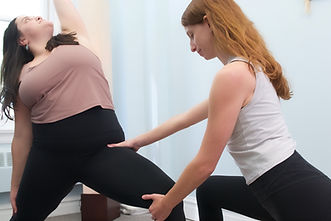
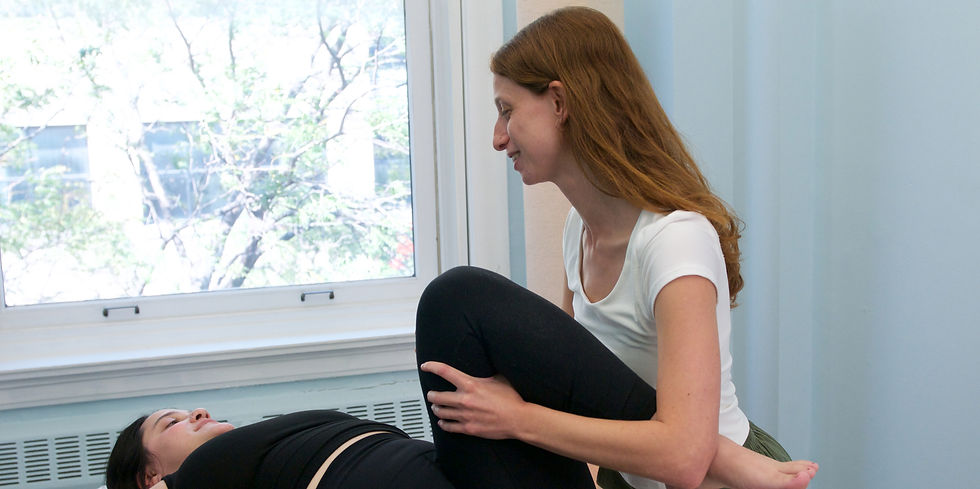
An integrative approach means we look at you as a whole person, not just a diagnosis. As a doctor of physical therapy, I assess how your body is functioning—how you move, your alignment, strength, flexibility, and where you’re experiencing pain. As a certified yoga therapist, I also consider how you breathe, your stress levels, how well you sleep, and how you’re feeling day to day. Your sessions may include a thoughtful combination of hands-on manual therapy, yoga-based therapeutic movement, breathing practices, and meditation. This approach allows us to address pain at the root while supporting both your physical body and nervous system—so healing feels more sustainable and supportive.
What is Pelvic Health Physical Therapy?
Pelvic health physical therapy is a specialized area of physical therapy focused on the entire pelvic system, not just one symptom. Pelvic health PT looks at the muscles and joints of the pelvis, lower abdomen, hips, and low back, as well as the pelvic floor muscles and bladder, bowel, and sexual health. Because the pelvic floor plays such an important role in comfort, stability, and daily function, it’s often a key piece of the healing process. With your consent, an internal (vaginal) pelvic floor exam may be offered to assess muscle strength, coordination, and tissue health. This is the most accurate way to evaluate the pelvic floor and can be incredibly helpful in guiding your recovery. Internal exams are always optional and discussed thoroughly so you feel informed and comfortable. To learn more about pelvic health physical therapy, you can read my blog post below.